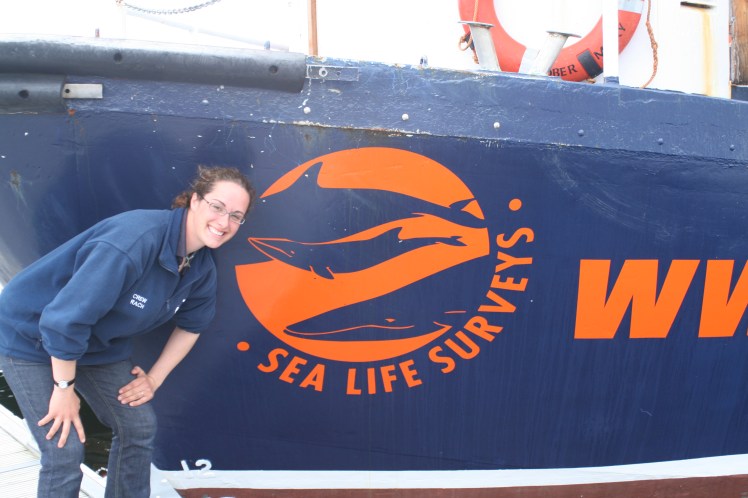
April 2026 saw me fortunate enough to attend my second European Cetacean Society (ECS) conference in Dundee, Scotland. ECS is an annual gathering for scientists, students and conservationists focusing on the study and protection of marine mammals. This is my take on ECS 2026 in Dundee – the city of Discovery.
Dundee Industry Social Cetaceans Opportunities Vulnerable Ecosystems Reasons Years
Dundee
Dundee a city of discovery, inexorably linked to a history of the sea from shipbuilding to whaling to trading and beyond.
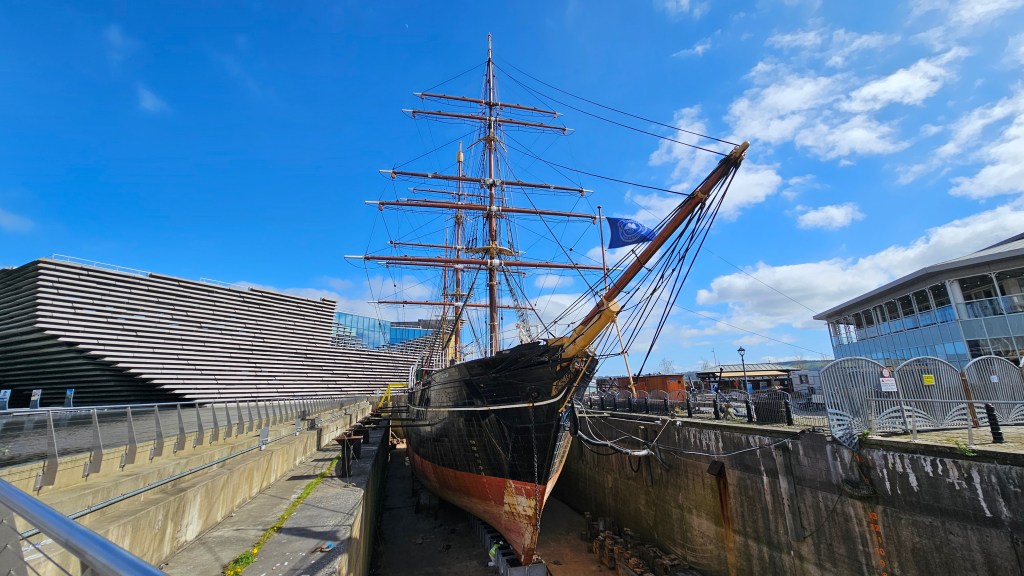
Here the RRS Discovery was built for the British National Antarctic Expedition led by Robert Falcon Scott between 1901 and 1904. Built to withstand the pressure of Antarctic sea ice, she was the last traditional three masted wood ship built in the UK. She continued to conduct important scientific surveys in Antarctica until the mid-1930s before arriving back to the city of her construction in 1986 where she remains today in a custom-built dock at Discovery Point.
Stepping onto her wooden decks there is a strong sense of the past and what was to come for many of those whose took part in the first Discovery Expedition to Antarctica was at the front of my mind. For someone who has only just returned from that frozen wilderness even with modern comforts and safety I still felt a sense of connection, laying hands on the same wooden beams, supports, planks and frames, touched by those of the past sends a shiver of history through me.
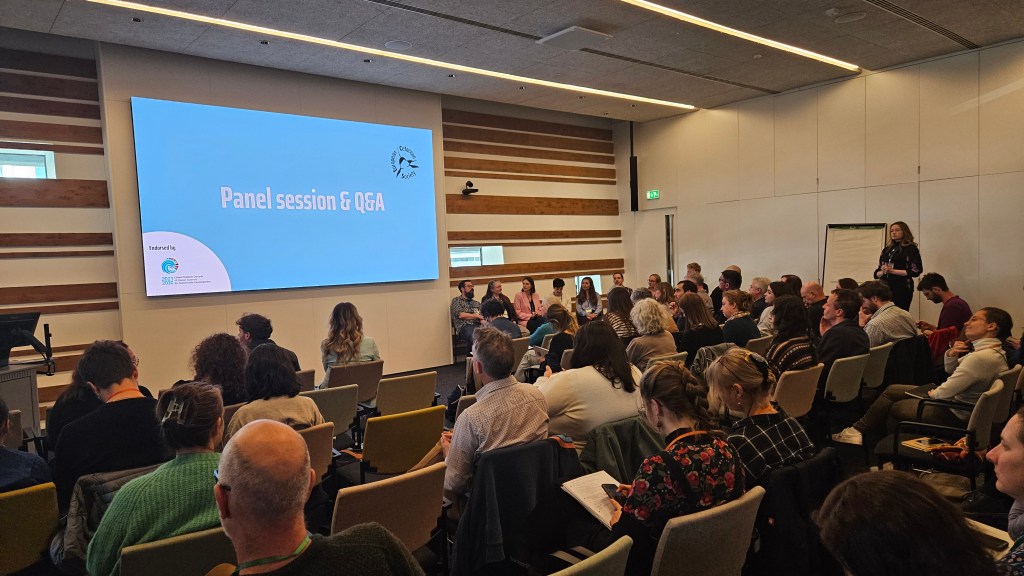
Now, Dundee was the host for the 37th Conference of the ECS, a chance for hundreds of passionate people from a multitude of backgrounds to come together in one community for the protection of marine mammals. From students, scientists, conservationists to consultants, tourism and industry to meet and talk all things cetaceans and seals.
Industry
While the conference is in essence a scientific event, it presents information with implications for the conservation and management of cetaceans and seals and therefore industry. From offshore renewables to oil and gas exploration, fisheries to tourism. The conference therefore represents an important place for industry to meet with the scientific community to understand the impacts of human activities on marine mammals and discuss measures to reduce and mitigate these impacts. If anything stood out from the conference it was that involving all industry in the management of marine mammals is key to effective protection.
The workshops prior to the main conference in particular provided an opportunity to bring stakeholders together focussed on specific issues.
This year, Seiche, the company I work for as a Marine Mammal Consultant, helped organise and run a workshop with a number of other consultants and Statutory Nature Conservation Bodies in the UK on underwater noise, focussing this time on the noise generated by piling. Piling is the process of using a large impact hammer to install foundations for offshore industry such as wind farm foundations. With offshore wind playing a key role in the UK’s ambitious renewable energy and decarbonisation targets, there is a massive challenge to reconcile the drive for offshore development with environmental protection including for marine mammals. Our understanding of the issues and consequences continues to develop as does the options to mitigate them. Conversations such as this on approaches to regulation, monitoring and mitigation are essential. The workshop brought together over 100 academics, regulators, industry professionals, policymakers and consultants, providing a space for open cross sector dialogue on the options and challenges that lie ahead.
Social
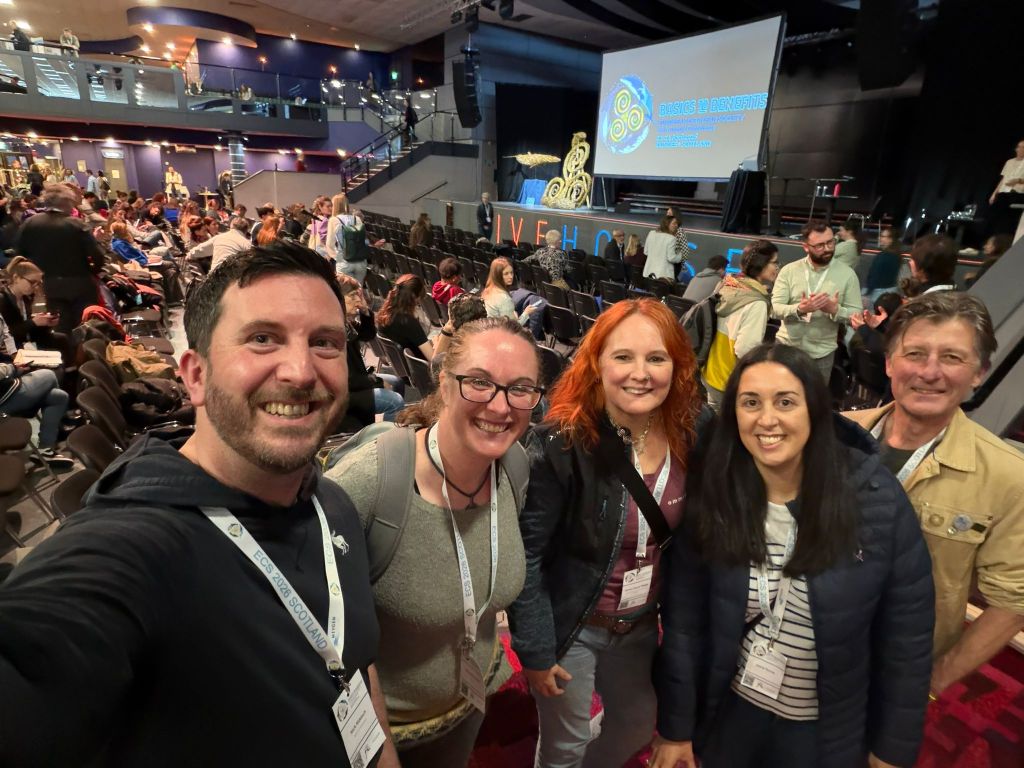
Aside from the presentations, posters and workshops, aside from its scientific purpose, ECS at its heart is a social event. An opportunity to meet people face to face, put a body to a face that appears on a computer screen, building and reaffirming relationships. And in Scotland there is nothing that says social more than a traditional ceilidh. One aspect of ECS conferences I really like, and this is based solely on my experience of two, is that while they welcome people from all over Europe and beyond, the host country always presents a strong local connection, history and tradition. From the expressions of thanks and welcome in Gaelic, bagpipes at the icebreaker event and opening ceremony, to local ales and whiskey and sea shanties, the Scottish organising committee did not disappoint.
Fitting also then that this year’s conference ended on a huge high and intense experience that is a ceilidh.
Folk music, fiddle, bagpipe, guitar and drum, pouring out over a dancefloor packed with hundreds of bodies, and reverberating into your soul. A whole lot of whooping, clapping and laughing. Energetic dancing, spinning, twirling and kicks, a load of bumping and laughing. It doesn’t matter who you were or how well you dance at a ceilidh. The connection, togetherness and inclusivity bring a strong sense of belonging. It’s been 20 years since my last ceilidh I sincerely hope it is not another 20 before I experience another.
Cetaceans
It’s in the name. European Cetacean Society. And while the conference does cover the study and protection of all marine mammals, with plenty of posters and talks on seals, the majority of focus was on cetaceans – whales, dolphins and porpoises.
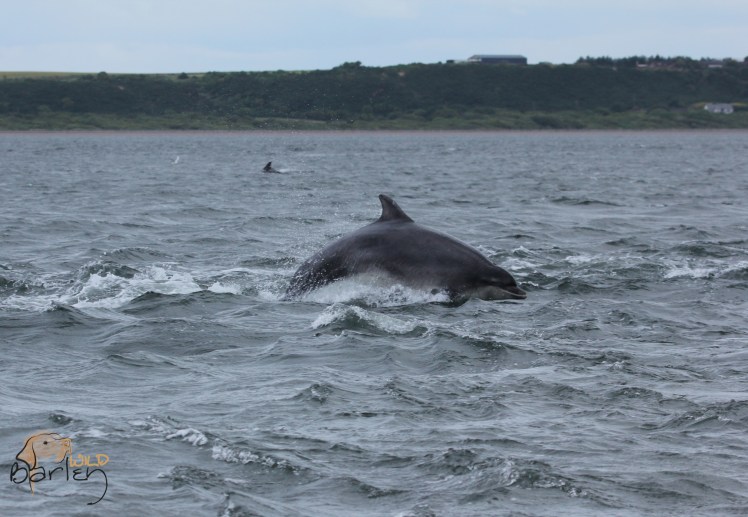
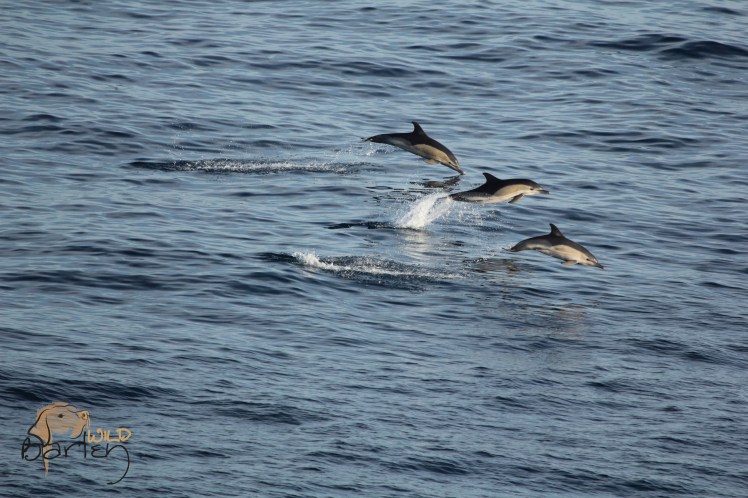
Being based in Scotland there was no surprise that cetaceans around UK shores, such as harbour porpoise, bottlenose, common and Risso’s dolphin, as well as minke whales featured heavily in presentations and posters. But there were presentations and insights into more far-flung species too like Indian Ocean humpback dolphins, Commerson’s dolphin in the Kerguelen Archipelago, spinner dolphins in Chagos, blue whales and beaked whales in the US, humpback whales in Hawaii and fin whales in Antarctica to name only a very few.
Opportunities
The presence of so many like-minded people in one room over a period of a few days inevitably brings a huge number of opportunities.
Opportunities to reach out and collaborate with others on research, an opportunity to engage with others on an issue, get a different perspective, an opportunity to catch up with old friends and colleagues, an opportunity to meet new people, share new ideas, and perhaps open new doors.
An opportunity to shut out the rest of the world, even if only for a short while, and focus on that beautiful blue, green, grey, black, brown, expanse we call the ocean and its inhabitants that speak to each and everyone’s soul.
An opportunity to relax, talk, share stories and perhaps even dance a little….
Vulnerable Species
Over the course of the week, we had updates on research from some of the worlds most vulnerable species. From sperm whales, fin whales, blue whales to Indian Ocean humpback dolphins, river dolphins and Antarctic fur seals all of which are listed as Vulnerable or Endangered on the IUCN Red List.
But what struck me most was that even those species classified as Least Concern and not at risk of extinction, are still vulnerable. Vulnerable to bycatch, disturbance, pollution, hunting.
I have always felt that populations are just as important as the species as a whole when considering management and conservation of animals. We must consider local populations when considering impacts and how to mitigate them. Killer whales to my mind are a classic example of this, with different ecotypes not intermingling or interbreeding with each other even when they share the same waters.
I would even go as far as saying that every individual is as important as the next… and so to my mind they are all vulnerable.
Ecosystems
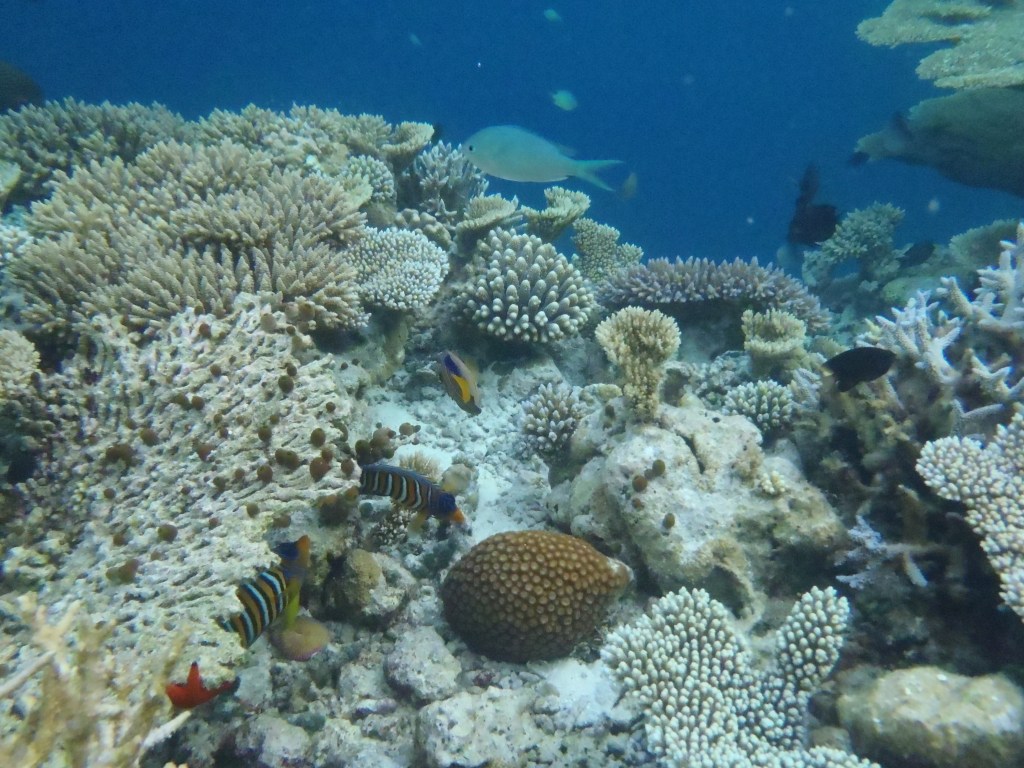
Another thing that struck me was that it is not just about species and individuals, it’s about ecosystems. Ecosystems, that dynamic, functional unit that comprises all living things interacting with non-living physical environment. Ecosystems play a vital role in maintaining biodiversity and providing essential services to our planet.
The ecosystem approach to protecting marine mammals shifts from protecting single species to managing the whole interconnected environment. A holistic approach to managing cumulative impacts of human activities, acknowledging the importance of habitat, food webs and water quality for marine mammals.
Throughout the presentations, speeches and posters at ECS the word ecosystem came up a lot, highlighting the importance of considering the entire system and including local communities in decision making.
Reasons, Reflections, Respect
The research, ideas and updates presented at conferences like ECS personally reaffirms the reason why I am there. The passion that whales, dolphins and porpoises ignite in people is inspirational, there is nothing quite like it, and it was on show in abundance over that week.
The conference was also an opportunity to reflect on how far many of us have come, the keynote talks highlighted the journey many of us have been on since ECS was last held in Scotland over 30 years ago.
Finally, the respect we all showed each other, with people from all backgrounds and stages of their own personal journey personally and academically, listening and asking questions, building and reaffirming relationships was all rather humbling.
Years
We all feel the passing of the years. ECS is now in its 38th year, with the first conference held in 1987. The first in Scotland was in Inverness in 1993. The intervening years have seen such changes and developments in our world. Not least a digital revolution, the internet, social media, both have changed the way we see, connect and interact with the world.
The use and pressures on our oceans have changed also. An increase in shipping and developments offshore, climate change, warming oceans, accelerated ice loss, changing fish stocks, plastic pollution, to name but a few.
Against this backdrop of a changing ocean and world is the thought there are individual whales and dolphins that have lived through them all. It is not unheard of for species to live for 50 to 90 years, the bowhead whale can live for over 200 years!
Changes can often be scary, and certainly the pressures we are putting on our oceans and its inhabitants are increasingly pushing them to the edge. It is more important than ever to harness the passion at events like this, to take forward the research and developments presented here and implement them in the real world. And that digital revolution provides a real platform and opportunity to spread the message further than ever before. We need to embrace that and make technology and our advances work for and benefit our planet and not just ourselves.